2026-11-09 · Mike Torres
Signs of Hidden Water Damage in Older South Tampa Properties
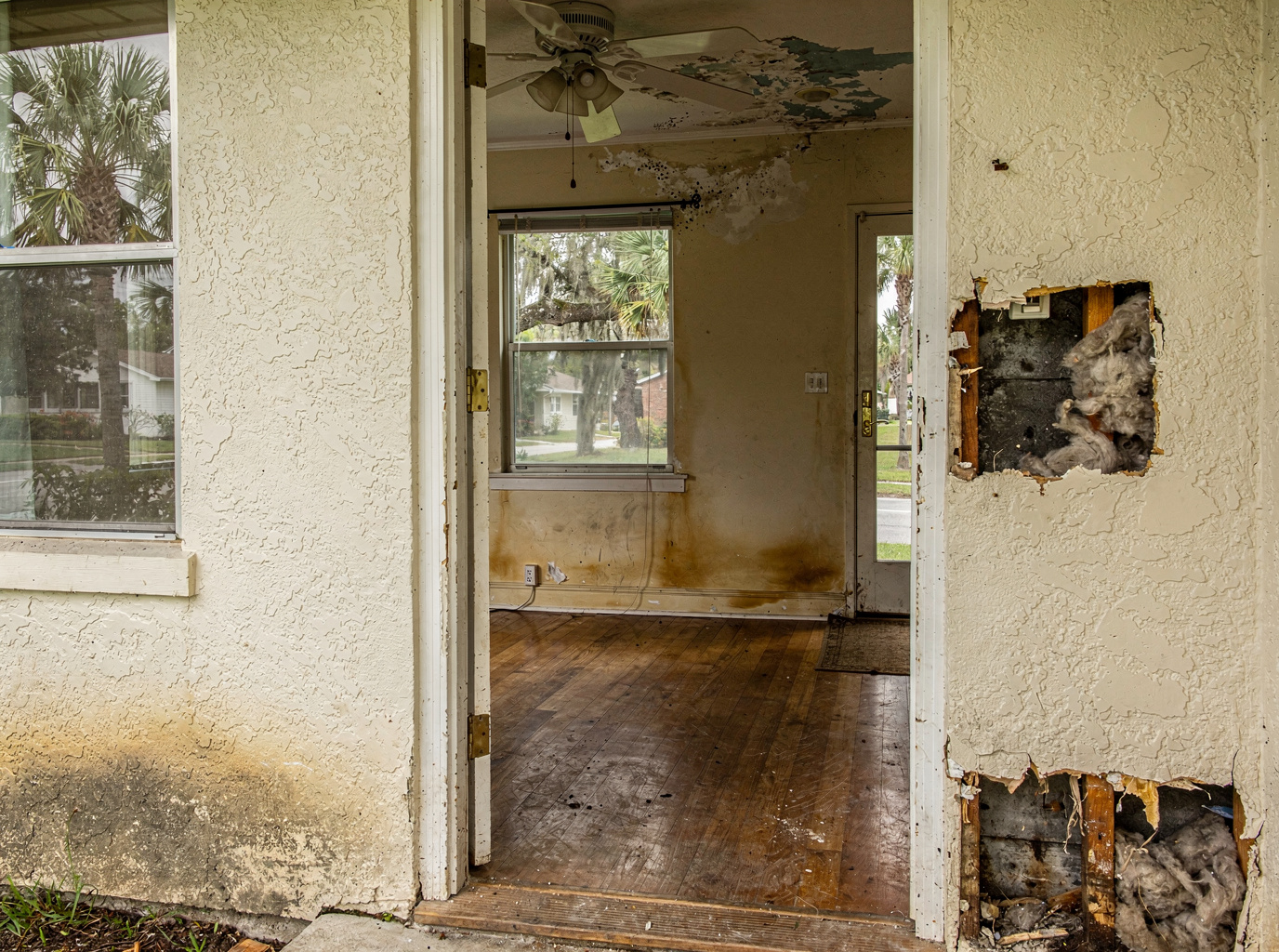
Signs of hidden water damage in older South Tampa properties typically appear as subtle discoloration on plaster walls, persistent musty smells in basements or crawl spaces, and slight buckling in hardwood floors near bathrooms or kitchens. These indicators stem from cast iron pipes installed in homes built between the 1920s and 1950s that corrode over decades, combined with the humid subtropical climate that keeps moisture levels high year-round. Homeowners in neighborhoods like Hyde Park and Davis Islands frequently encounter these issues because many structures sit on slab foundations where leaks travel undetected until they reach visible surfaces.
Discoloration Patterns in Plaster and Drywall
In South Tampa homes from the pre-1960 era, water often seeps through original plaster walls after roof leaks or pipe failures in bathrooms. Look for yellow-brown stains that spread in irregular shapes near ceiling corners or along baseboards, especially after heavy summer rains common in Hillsborough County. These marks differ from simple humidity spots because they darken over weeks rather than appearing uniformly. Checking behind wallpaper in living rooms or hallways reveals bubbled sections where moisture has lifted the adhesive. Property owners who notice these changes early can prevent mold colonies from forming in wall cavities that standard inspections miss.
Warped Flooring and Soft Subfloors
Hardwood floors in South Tampa properties built before 1950 often conceal leaks from galvanized supply lines under kitchens or laundry rooms. Pressing on boards near sinks or water heaters reveals spongy areas where subfloor plywood has absorbed water and begun to delaminate. Tile floors in older bathrooms may show cracked grout lines that allow seepage into the concrete slab, creating hollow sounds when tapped. Residents in Seminole Heights report similar problems after decades of seasonal humidity fluctuations that expand and contract wood framing. These floor issues frequently connect to larger problems that require targeted Water Damage Restoration to address fully.
Musty Odors and Hidden Mold Colonies
Persistent earthy smells in closets or behind furniture signal mold growth fed by constant moisture in older South Tampa construction. The wet summers in Hillsborough County keep relative humidity above 70 percent for months, allowing spores to thrive inside wall voids without visible surface growth. Opening a rarely used cabinet in a 1940s bungalow often releases a sharp odor that dissipates quickly, indicating trapped dampness rather than surface mildew. Checking insulation in attics above bathrooms shows dark patches where condensation from uninsulated pipes has soaked materials over years. Addressing these odors prevents respiratory issues that develop when spores spread through HVAC systems common in these homes.
Plumbing Vulnerabilities in Pre-1970 Construction
South Tampa's older housing stock relies on original galvanized and cast iron lines that develop pinhole leaks after 40 to 60 years of service. These leaks often occur at joints behind showers or under slab sections where tree roots in the neighborhood have shifted soil. Homeowners can test for issues by monitoring water meter readings during periods of no use, watching for unexplained gallon increases. Fixtures in homes near the Tampa Riverwalk area show accelerated corrosion due to proximity to tidal influences that raise groundwater levels. Professional assessment through Water Damage Repair services helps map these hidden routes before they affect neighboring units in multi-family conversions.
Seasonal Climate Effects on Hidden Damage
Tampa's wet summers deliver frequent afternoon thunderstorms that overwhelm aging gutters on South Tampa roofs, directing water into soffits and exterior walls. The humid subtropical conditions prevent full drying between storms, allowing moisture to migrate inward through brick and stucco exteriors common in the 1930s and 1940s builds. Properties in West Tampa experience additional challenges from higher water tables that push against foundation walls during prolonged rainy periods. Comparing indoor humidity readings against outdoor levels during July and August reveals spikes that point to concealed entry points. Readers facing storm impacts can review How to Respond to Storm-Related Water Damage in Tampa Homes for practical next steps after initial detection.