2026-11-09 · Mike Torres
How to Respond to Storm-Related Water Damage in Tampa Homes
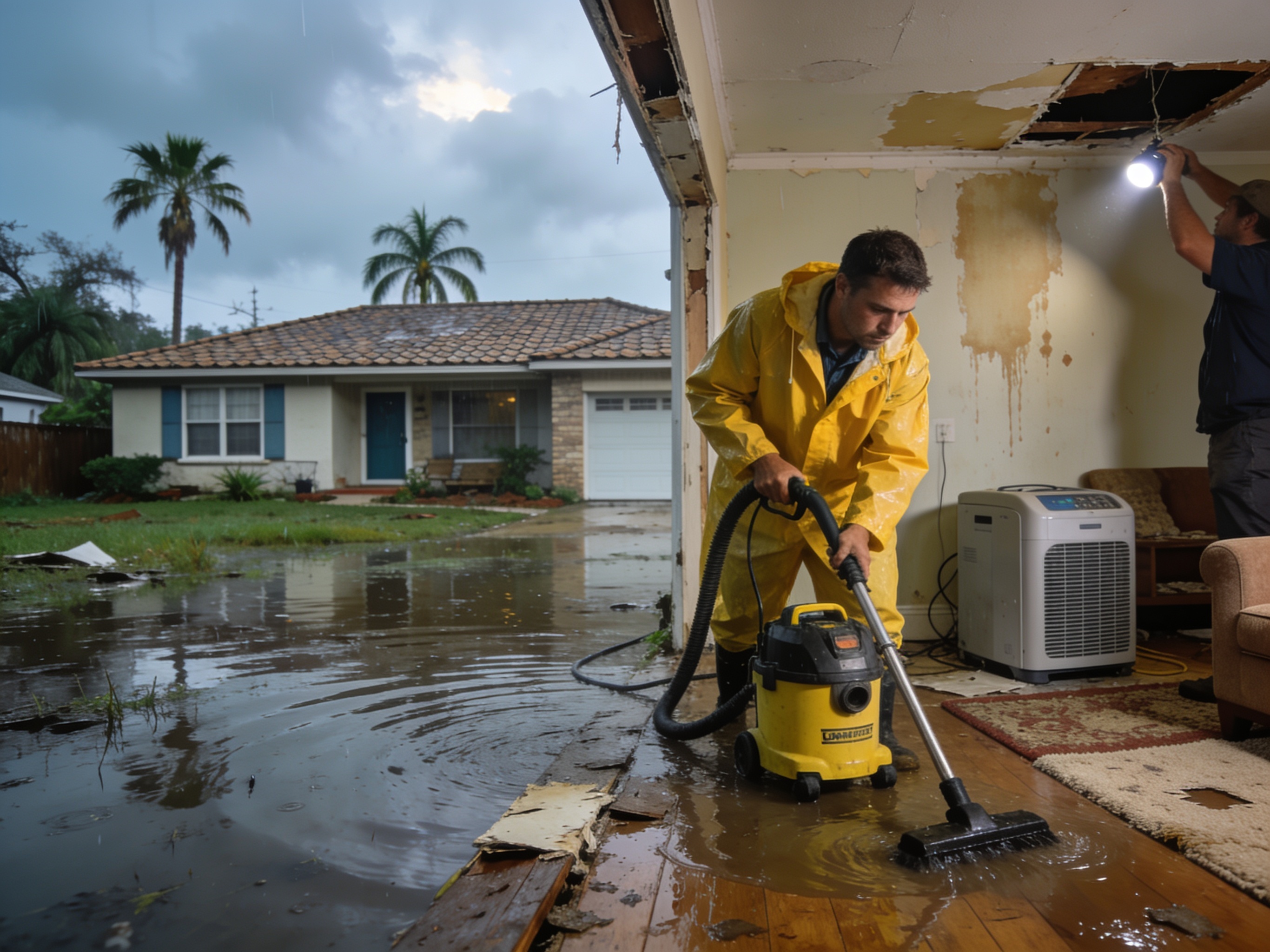
When storm water enters a Tampa home, begin by shutting off electricity to affected areas, documenting everything with photos, and removing as much standing water as possible within the first 24 hours to prevent mold in the humid subtropical climate.
Assess Visible and Hidden Damage First
Walk through the property room by room, checking floors, walls, and ceilings in neighborhoods such as South Tampa and Davis Islands where older construction often includes plaster and hardwood that trap moisture. Note any discoloration or soft spots that indicate water has traveled beyond the obvious flood line. In Ybor City Historic District homes, pay special attention to crawl spaces and basements that sit lower than street level. Measure moisture levels in multiple spots rather than assuming only the entry point needs attention. This initial walkthrough reveals how far water has migrated through the slab or framing common in Hillsborough County properties built before modern waterproofing standards.
Remove Water and Begin Drying
Use submersible pumps for depths over two inches, then switch to wet vacuums for the remaining film on concrete or tile surfaces typical in West Tampa and Seminole Heights. Position air movers and dehumidifiers to create cross ventilation, running them continuously for at least 72 hours after visible water disappears. Tampa's wet summers keep outdoor humidity above 70 percent, so indoor drying requires equipment that pulls moisture below 50 percent relative humidity. Check behind baseboards and under cabinets daily; trapped water here leads to hidden rot in the wood framing found in many Hyde Park residences. Avoid fans that simply move humid air around without extraction.
Address Secondary Issues in Local Conditions
Once the structure is dry, inspect for mold growth that accelerates in Hillsborough County's warm, moist environment. Older homes in Seminole Heights and Ybor City often have lath-and-plaster walls that retain pockets of dampness long after surface drying. Remove and replace saturated insulation in exterior walls, especially on properties near the Tampa Riverwalk where storm surge can push water upward through foundations. Monitor for musty odors in closets and under sinks, areas where airflow is limited. If discoloration appears on drywall within five days, cut out the affected sections rather than attempting surface cleaning alone.
Know When Professional Water Damage Restoration Is Required
Homeowners can manage small, contained leaks, but widespread storm intrusion across multiple rooms calls for Water Damage Restoration crews equipped with industrial drying tools. In South Tampa properties with multi-story construction, water can travel between floors through HVAC ducts, requiring specialized inspection. Water Damage Repair becomes necessary when structural elements like subfloors in Davis Islands homes show delamination. Review Signs of Hidden Water Damage in Older South Tampa Properties for additional indicators common to the area's housing stock. Compare Cost Factors for Water Damage Restoration in Tampa Neighborhoods before scheduling work that may involve permits in historic districts.
Contact the team at 16305 Rock Lake Dr, Odessa, FL 33556 during business hours Monday through Friday 8am–6pm or Saturday 9am–2pm if water has affected more than one room or persists after initial drying efforts.