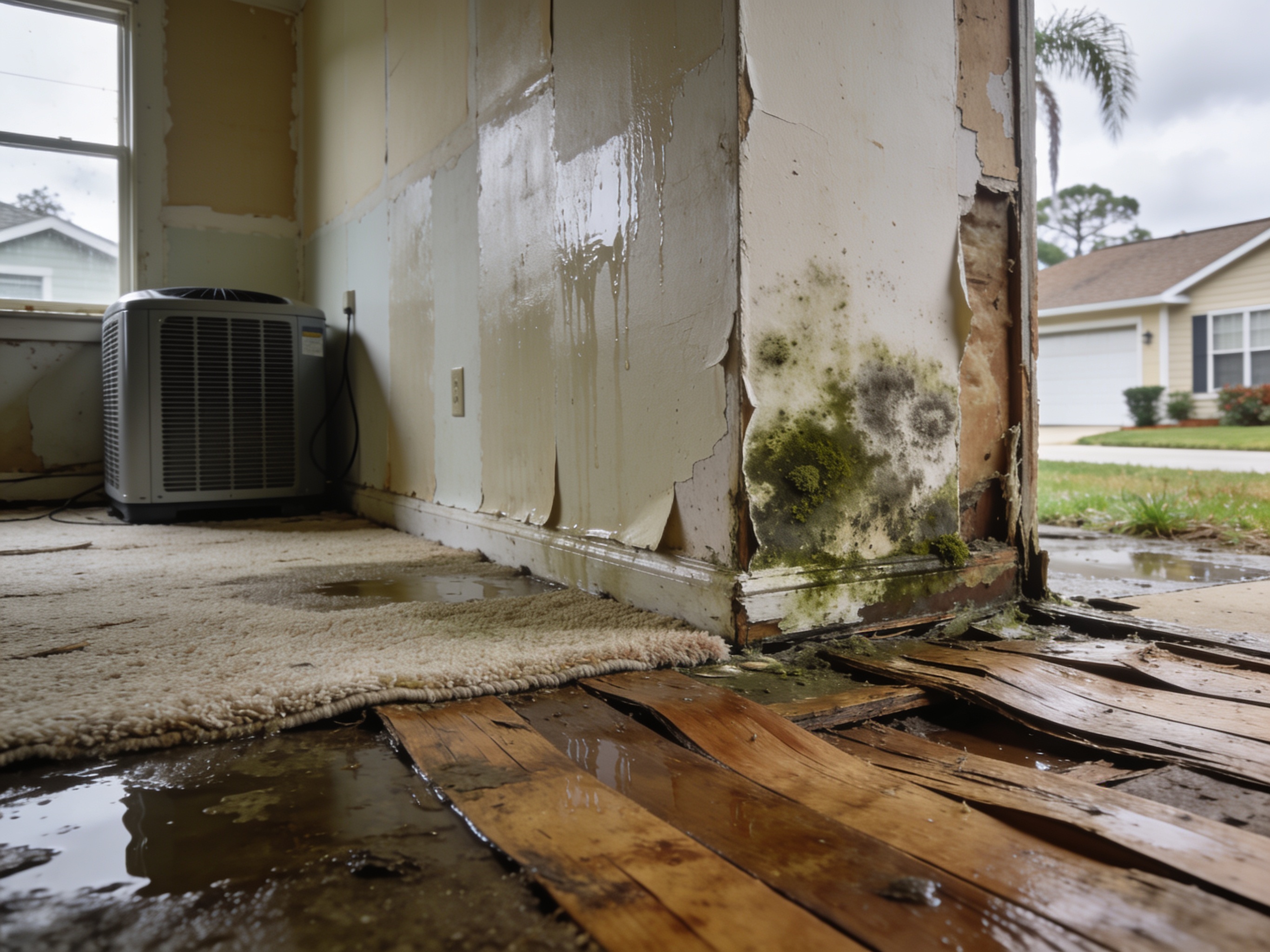
Dunedin homes along the waterfront and in the historic core face frequent water intrusion from afternoon storms and seasonal high tides. Our crew based at 16305 Rock Lake Dr responds directly to properties near the Dunedin Causeway and Marina, where older frame and masonry houses often have crawl spaces that trap moisture after heavy rain. We extract standing water, set drying equipment, and monitor humidity levels specific to Pinellas County construction.
Many Dunedin residences built before 1970 sit on narrow lots with limited side access, making equipment placement slower than in newer subdivisions. Wet summers bring repeated soakings to roofs and window seals around Edgewater Park and the downtown grid. We stage dehumidifiers and air movers through front and rear entries while protecting the brick pavers and landscaping typical of these blocks.
When calls come from neighborhoods near Curlew Creek or the Pinellas Trail corridor, we prioritize same-day arrival within our Mon–Fri 8am–6pm and Sat 9am–2pm hours. Each job accounts for the high water table and sandy soils that allow moisture to migrate under slabs, requiring targeted moisture mapping before any rebuild work begins.
Around Dunedin
We regularly work near:
- 📍Dunedin Causeway
- 📍Honeymoon Island State Park
- 📍Main Street Dunedin
- 📍Dunedin Marina
- 📍Edgewater Park
- 📍Dunedin Fine Art Center
Water Damage Restoration in Dunedin — Local Notes
- •Narrow lots near Main Street limit equipment access, requiring smaller portable extractors on many jobs.
- •Pre-1970 frame homes around the historic district often have crawl spaces that hold moisture longer after summer rains.
- •Properties along the Dunedin Causeway and marina face storm surge and salt air that accelerates corrosion on HVAC and electrical systems after flooding.
- •Sandy soils and high water table around Curlew Creek allow water to travel under slabs, so we always check subfloor moisture readings before drying.